
Homemade Bread That Will Transform Your Culinary Skills
Last Updated on March 13, 2026 by Carolina
There s nothing quite like the warmth of freshly baked bread wafting through the house, isn t there? The simple act of kneading dough can be meditative, and the anticipation builds as you wait for that glorious loaf to rise. I first stumbled upon this homemade bread recipe during a cozy weekend rummaging through my grandmother s old cookbooks. The ingredients are basic, yet the results are nothing short of magical. This bread is not only a perfect addition to any meal but also a comforting side to slather with butter as you unwind after a long day. With just a few steps, you can transform simple flour and water into a golden masterpiece that will make your kitchen the most inviting room in the house. Say goodbye to boring store-bought bread and hello to the soft, pillowy texture of your very own homemade creation! Let s dive into this delightful journey of baking.
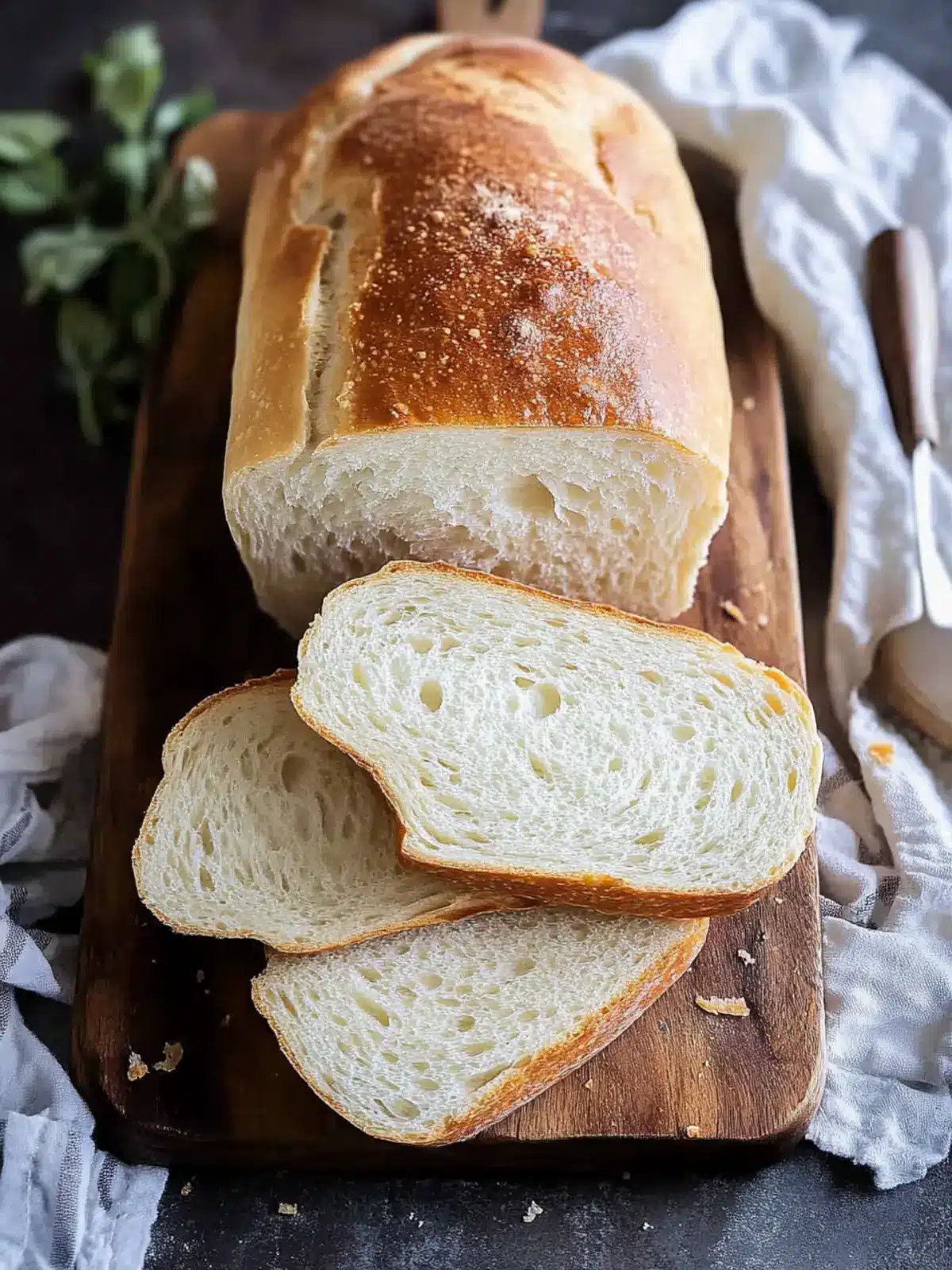
Why is homemade bread so special?
Homemade bread transforms ordinary meals into extraordinary experiences. Aromatic and inviting, your kitchen will become a gathering place as the scent fills the air. Easy to make, this recipe requires minimal ingredients and effort while delivering maximum satisfaction. Versatile in flavor, it pairs beautifully with soups, salads, or as a standalone treat. Plus, nothing beats the joy of slicing into a warm, fresh loaf straight from the oven! Don t miss this chance to elevate your bread-making skills and impress your loved ones with your newfound talent.
Homemade Bread Ingredients
For the Dough
- Warm water 2 cups (474g) should be between 105-115 degrees for optimal yeast activation.
- Active dry yeast 1 Tablespoon; ensures your bread rises beautifully!
- Honey or sugar 1/4 cup (85g honey, 50g sugar); adds a touch of sweetness that complements the bread s flavor.
- Salt 2 teaspoons; essential for enhancing the overall taste of your homemade bread.
- Oil 2 Tablespoons (canola or vegetable) adds moisture and richness to your bread.
- All-purpose or bread flour 4 5 1/2 cups (500g-688g); this is the foundation of your dough, so choose quality flour for the best results.
Each of these ingredients plays a vital role in creating a loaf that is fluffy, flavorful, and utterly satisfying. Get ready to embark on a baking adventure that will leave your kitchen filled with delightful aromas!
How to Make Homemade Bread
Combine Ingredients: In a large bowl or stand mixer, add the yeast, warm water, and a pinch of the sugar or honey. Let it rest for 5-10 minutes until foaming and bubbly, creating a perfect base for your dough.
Mix Together: Add the remaining sugar or honey, salt, oil, and 3 cups of flour. Mix until well combined, letting the flavors blend beautifully as the dough begins to take shape.
Add More Flour: Incorporate another cup of flour and mix again. As you continue, gradually add more flour, ½ cup at a time, until the dough pulls away from the sides of the bowl and is smooth.
Knead the Dough: Knead the dough for 4-5 minutes on medium speed or manually on a lightly floured surface for 5-8 minutes until it becomes elastic and slightly tacky to the touch.
Let It Rise: Grease a large bowl with oil or cooking spray and place the dough inside, turning to coat. Cover with a dish towel or plastic wrap, allowing it to rise in a warm place until doubled in size, about 1 ½ hours.
Prepare Pans: Generously spray two 9 5 bread pans with cooking spray on all sides, ensuring that the bread will slide out easily once baked.
Shape the Dough: Punch the dough down to remove air bubbles, then divide it into two equal portions. Shape each portion into long logs and place them in the greased loaf pans.
Second Rise: Cover the pans with a lightweight dish towel or plastic wrap sprayed with cooking spray. Allow the dough to rise again for about 45 minutes to an hour, until it s risen about 1 inch above the pans.
Bake: Preheat your oven to 350 °F. Bake the bread for about 30-33 minutes, or until the tops are beautifully golden brown and the bread sounds hollow when tapped.
Cool and Slice: Invert the loaves onto a wire cooling rack. Brush the tops with butter and allow to cool for at least 10 minutes before slicing into your delicious homemade bread.
Store Properly: Once cool, store the bread in an airtight container or bag. It will stay fresh for 2-3 days at room temperature, or up to 5 days in the refrigerator.
Optional: Enjoy warm with a spread of butter or your favorite jam for a delightful snack!
Exact quantities are listed in the recipe card below.
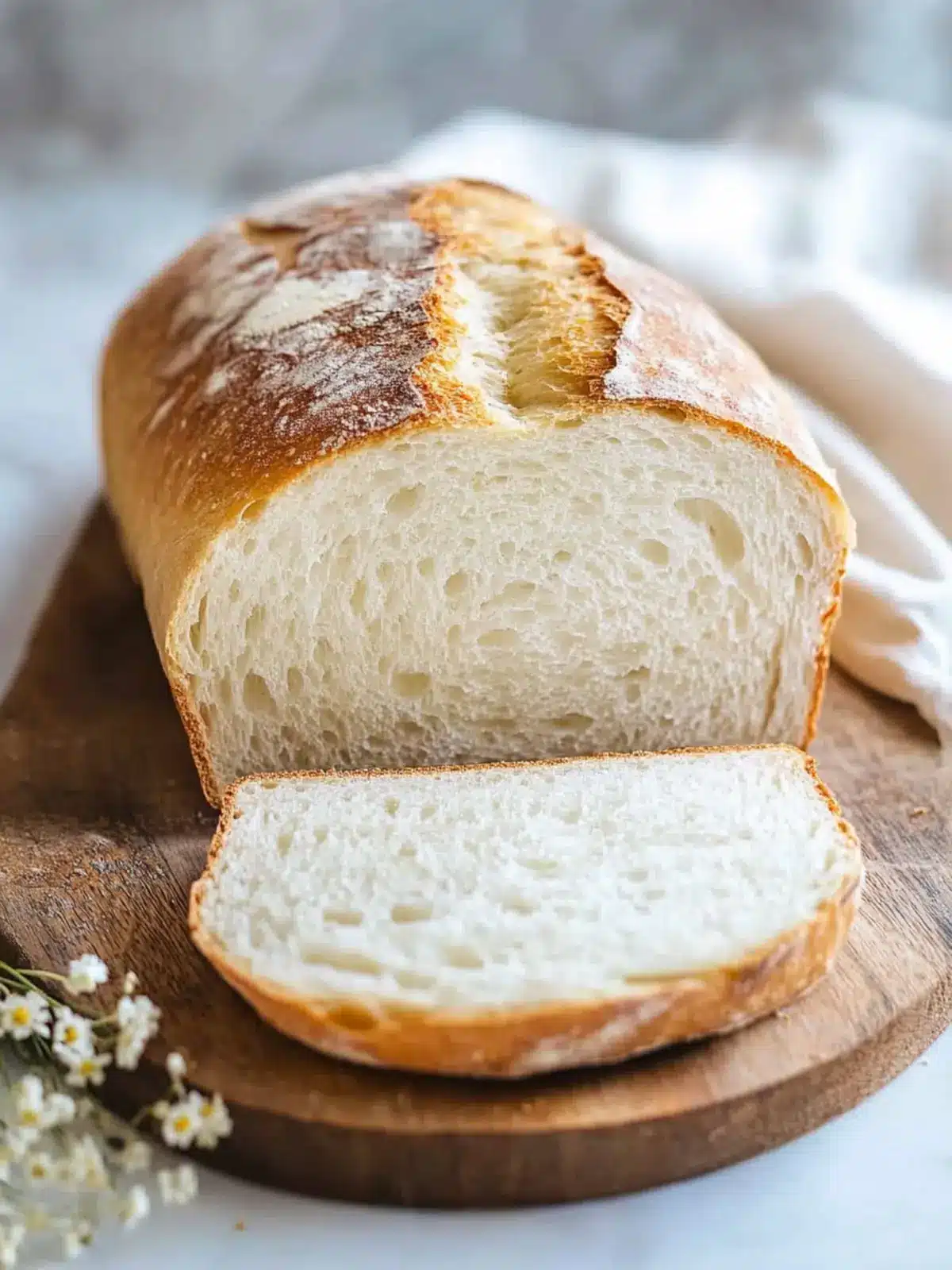
Homemade Bread Variations
Feel free to let your creativity shine as you customize this delightful bread recipe to your taste!
Whole Wheat: Substitute up to half of the all-purpose flour with whole wheat flour for a nuttier flavor and added nutrition.
Herb-Infused: Mix in 2 tablespoons of your favorite dried herbs like rosemary or thyme right into the dough for aromatic, savory bread.
Garlic Delight: Add 3-4 minced garlic cloves to the wet ingredients for a deliciously fragrant, garlicky twist that pairs beautifully with pasta.
Cheesy Goodness: Fold in 1 cup of shredded cheese, such as cheddar or mozzarella, during the mixing phase for a gooey, rich flavor in every bite.
Sweet Raisin Bread: Incorporate 1 cup of raisins or dried cranberries to the dough, and increase the honey or sugar slightly for a deliciously sweet treat.
Seeded Crust: Sprinkle sesame, sunflower, or poppy seeds on top of the loaves before the second rise for a delightful crunch and visual appeal.
Spicy Kick: Mix in a teaspoon of crushed red pepper flakes for those who love a touch of heat with their bread; the warmth beautifully complements savory spreads.
Nutty Extra: Add 1/2 cup of chopped nuts like walnuts or pecans into the dough for a hearty texture and flavor that balances sweetness with crunch.
With these variations, every loaf can become a special experience, tailored to your palate and the occasion!
Make Ahead Options
These homemade bread rolls are perfect for meal prep enthusiasts! You can mix the dough up to 24 hours in advance and refrigerate it before the first rise. Simply prepare the dough and, after the initial mixing, cover it tightly with plastic wrap and store it in the fridge. When you re ready to bake, allow the dough to come to room temperature and proceed with the second rise as instructed. If you want to shape the loaves ahead of time, you can do so after the first rise and refrigerate them overnight in the loaf pans. Just let them rise for about 45 minutes at room temperature before baking, ensuring they maintain their delightful texture and flavor. Enjoy freshly baked bread with minimal effort on busy days!
Tips for the Best Homemade Bread
Yeast Activation: Ensure your warm water is between 105-115 °F; too hot can kill the yeast, while too cold may not activate it properly.
Kneading Technique: Knead the dough until it feels elastic and slightly tacky this ensures a soft texture in your homemade bread.
Proper Rising: Allow the dough to rise in a warm, draft-free area; this is essential for developing the bread s flavor and texture.
Avoid Over-Flouring: When incorporating flour, add it gradually, stopping once the dough pulls away from the sides of the bowl to prevent a dry loaf.
Cooling Time: Don t skip the cooling phase; let the bread rest before slicing, which helps set the crumb and develop flavors.
What to Serve with Homemade Bread?
What s better than a warm slice of homemade bread? It s the perfect canvas that holds every delicious spread, soup, or salad alongside it!
Savory Olive Oil Dip: Pair with a fragrant blend of olive oil, balsamic vinegar, and fresh herbs for a delightful dipping experience. This adds a rich, savory flavor profile that enhances your bread s taste.
Hearty Vegetable Soup: Serve your freshly baked bread with a warm bowl of vegetable soup. The comforting flavors and textures make this a satisfying duo, perfect for cozy evenings at home.
Classic Garden Salad: A refreshing garden salad with crisp greens, cherry tomatoes, and a tangy vinaigrette brightens the meal and offers a crunchy contrast to the soft bread.
Artisan Cheese Platter: Include a selection of your favorite cheeses to accompany the bread. The creaminess of cheeses like brie or sharp cheddar complements the bread, making every bite heavenly.
Roasted Garlic Butter: Slathering your bread with roasted garlic butter elevates its flavor profile, giving you a rich and savory experience worth savoring.
Homemade Jam: For a sweet touch, serve with a homemade fruit jam, like raspberry or peach. The contrast between sweet and savory creates a delightful treat that s perfect for breakfast or snack time.
Herbed Butter: A simple herbed butter, whipped with fresh ingredients like parsley and chives, provides a flavorful addition that enhances each bite of your warm, homemade bread.
These pairings can turn a simple loaf into various delightful meals, making your homemade bread the star of the dining table!
How to Store and Freeze Homemade Bread
- Room Temperature: Store your homemade bread in an airtight container or bag for up to 2-3 days. This keeps it fresh and soft without drying out.
- Fridge: If you need it to last longer, wrap it tightly and refrigerate for up to 5 days. This helps prevent mold but may slightly alter the texture.
- Freezer: For longer storage, slice the bread and freeze it in a resealable bag for up to 3 months. Just toast or thaw slices as needed for quick enjoyment!
- Reheating: To revive your homemade bread, warm slices in a toaster or oven briefly. A light brushing of butter before reheating adds extra deliciousness!
Homemade Bread Recipe FAQs
How do I choose the right flour for homemade bread?
When making homemade bread, it s best to use all-purpose flour or bread flour for a better texture and flavor. Bread flour has a higher protein content, which helps the dough develop gluten and gives the bread a chewier bite. Look for flour that is unbleached and versatile, as you want to ensure it can absorb moisture well for those soft, fluffy loaves.
How should I store homemade bread to keep it fresh?
To keep your homemade bread fresh, store it in an airtight container or bag at room temperature for 2-3 days. If you live in a humid environment, refrigeration might be necessary to avoid mold, but remember that this can slightly change the bread s texture. For long-term storage, wrap it tightly and freeze it for up to 3 months!
Can I freeze homemade bread? If so, how?
Absolutely! Freezing homemade bread is a fantastic way to keep it for later. Here s how: First, let your bread cool completely. Then, slice it if you d like, and place the slices in a resealable freezer bag, removing as much air as possible before sealing. Label with the date, and freeze for up to 3 months. When ready to enjoy, simply toast or thaw the slices as needed!
What should I do if my bread dough isn t rising?
If your bread dough isn t rising, there could be a few reasons. Make sure your yeast is fresh and active if it doesn t foam when mixed with warm water, it may be dead. The water temperature should be between 105-115 °F. Also, check that you allow the dough to rise in a warm, draft-free area. If it s too cold, give it additional time and try covering it with a towel to retain heat.
Is my homemade bread safe for pets?
While homemade bread is safe for most pets in small amounts, it s best to avoid feeding them bread regularly or in large quantities. Ingredients like honey can be harmful to dogs, while excess carbohydrates can lead to weight gain in pets. Always consult your vet if you are unsure about introducing bread into your pet s diet.
How can I make my homemade bread healthier?
You can easily make your homemade bread healthier by substituting some of the all-purpose flour with whole wheat flour or adding seeds and nuts to the dough. This not only increases fiber content but also adds a delightful nutty flavor! Consider using natural sweeteners like maple syrup instead of sugar for added health benefits. Just keep in mind that adjustments in liquid may be necessary.