
Savor Hibachi Noodles: Quick, Flavor-Packed Dinner Delight
Last Updated on March 13, 2026 by Carolina
There s something truly delightful about the interplay of flavors in a good bowl of Hibachi Noodles. The moment the hot butter meets the garlic and ginger in the skillet, you can almost hear it sing. I first embraced this dish after a long week, craving a homemade meal that could transport me to my favorite Japanese steakhouse without stepping outside. The ease of tossing together a few pantry staples, all while savoring that distinctive aroma, was an unexpected pleasure.
This recipe isn t just about satisfying hunger; it s about transforming simple ingredients into a delicious masterpiece that s perfect for everything from a cozy weeknight dinner to impressing friends at your next gathering. With its perfect balance of sweetness and savory depth, these noodles are sure to become a family favorite. Plus, you can easily customize them with your favorite proteins or veggies! Join me as we whip up a dish that s not only quick and satisfying but packed with flavor that rivals any takeout option. Let s get cooking!
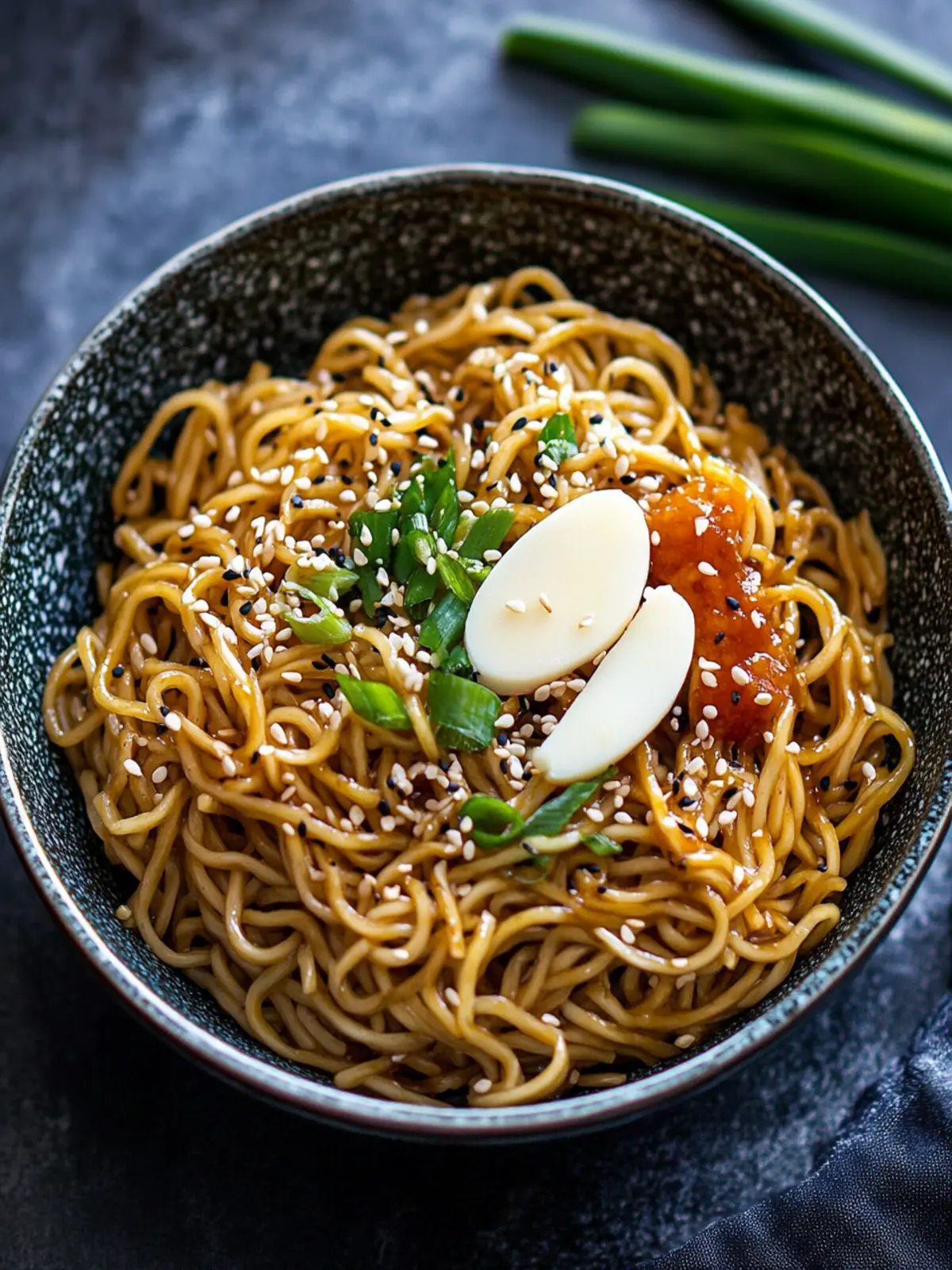
Why are Hibachi Noodles a must-try?
Simplicity: This recipe is incredibly easy to follow, perfect for both novice cooks and seasoned chefs alike.
Rich Flavor: The delightful combination of soy sauce, teriyaki sauce, and fresh aromatics creates a mouthwatering taste that transports your palate.
Quick Cooking: Ready in just minutes, these noodles fit seamlessly into your busy weeknight routine.
Versatility: Feel free to add your favorite proteins or vegetables, making it a customizable dish for everyone at the table.
Crowd-Pleasing: Impress friends and family with a homemade meal that rivals restaurant fare, all from the comfort of your kitchen!
Comforting: With that comforting butter base and fragrant garlic and ginger, every bite is a warm hug on a plate.
Hibachi Noodles Ingredients
Discover the simple components that create magic in your bowl!
For the Sauce
- Soy sauce A staple in Asian cuisine that adds savory depth to your Hibachi Noodles.
- Teriyaki sauce Brings a sweet and tangy flavor that perfectly balances the saltiness of soy sauce.
- Brown sugar Enhances the sweetness in the sauce; feel free to substitute with honey if desired.
- Mirin Gives a touch of sweetness; rice vinegar or white vinegar can be used as a substitute.
For the Noodles
- Dry noodles Use 7 ounces of noodles (200 g); linguine pasta works well in place of traditional noodles.
- Butter Adds richness; both salted and unsalted options can be used.
- Sesame oil Imparts a nutty fragrance; substitute with vegetable oil if needed.
For the Aromatics
- Chopped onions These lend a slight sweetness and crunch to the dish.
- Minced ginger Adds warmth and spiciness, elevating your Hibachi Noodles to a new level.
- Minced garlic Infuses the dish with an irresistible aroma that fills your kitchen.
For the Seasoning
- Salt Adjust to your taste; remember that soy sauce is already salty.
- Ground pepper Adds a hint of spice; feel free to increase for more heat.
For Garnish
- White sesame seeds These give a lovely crunch and visually appealing finish to your Hibachi Noodles.
How to Make Hibachi Noodles
Cook the dry noodles in a large pot of salted boiling water according to package directions, aiming for al dente. This ensures the noodles hold their shape and don t become soggy in the final dish.
Drain the cooked noodles and toss them in 2 teaspoons of sesame oil (or vegetable oil) to prevent sticking. For meal prep, store them in an airtight container in the fridge for up to 4 days.
Mix together soy sauce, teriyaki sauce, brown sugar, and mirin in a bowl. This flavorful mixture will be the soul of your Hibachi Noodles, so set it aside for a moment.
Heat 3 tablespoons of butter and 1 tablespoon of sesame oil in a skillet or wok over high heat until sizzling. You ll know it s ready when the butter is melted and bubbling!
Saut ¼ cup of chopped onions, 2 teaspoons of minced ginger, and 2 teaspoons of minced garlic in the hot oil for about 2-3 minutes, until they are fragrant and slightly browned. This step adds incredible depth to the flavor.
Add the sauce mixture and the cooked noodles to the skillet. Toss everything together until the noodles are well coated in that scrumptious sauce.
Season with ½ teaspoon of salt and ¼ teaspoon of ground pepper. Toss again, tasting and adjusting the salt as needed to ensure your noodles are perfectly seasoned.
Sprinkle 2 teaspoons of white sesame seeds on top before serving. Enjoy your delicious Hibachi Noodles immediately for that amazing fresh taste!
Optional: Drizzle with extra sesame oil for a richer flavor.
Exact quantities are listed in the recipe card below.
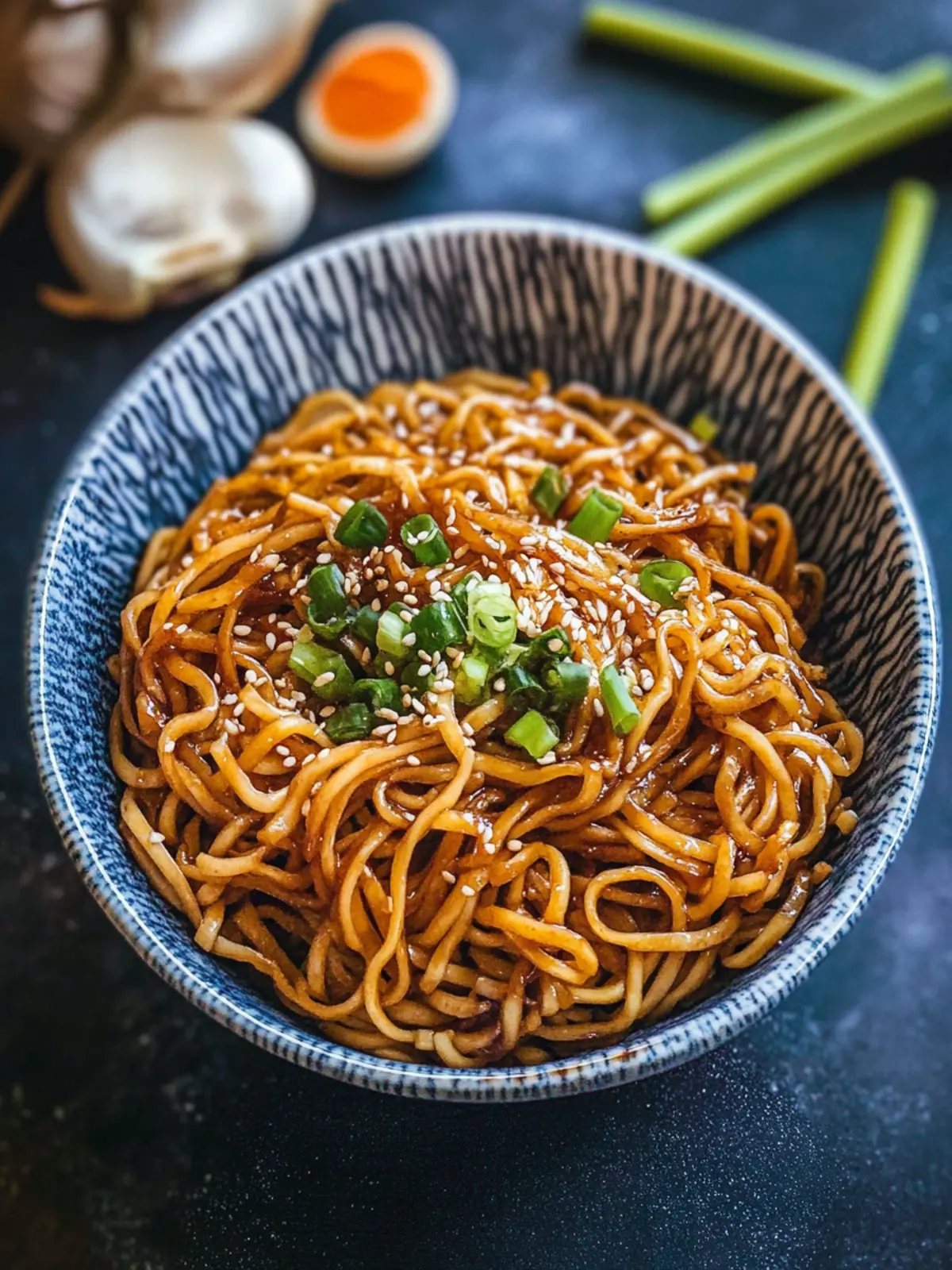
Expert Tips for Hibachi Noodles
Perfect Noodle Texture: Cook the noodles al dente to prevent sogginess. Overcooked noodles can lead to a mushy dish that lacks texture.
Storage Solution: Toss the drained noodles in sesame oil to keep them from sticking together. Store in an airtight container for up to 4 days for easy meal prep.
Flavor Boost: Don t skip the aromatics! Saut ing onions, garlic, and ginger adds layers of flavor that enhance your Hibachi Noodles significantly.
Salt Wisely: Adjust salt to taste, but remember that soy sauce contributes a salty flavor. It s easy to over-season, so start with a little and add more if needed.
Customizable Dish: Add your favorite proteins or veggies, like grilled chicken, shrimp, or bell peppers, to elevate this simple Hibachi Noodles dish into a complete meal.
What to Serve with Hibachi Noodles?
Elevate your Hibachi Noodles experience with the perfect complementary dishes that enhance the flavors and textures of your meal.
Grilled Chicken: Juicy, tender grilled chicken adds a delightful protein boost that pairs perfectly with the savory tones of the noodles. The smoky char enhances the overall meal.
Steamed Broccoli: Crisp and vibrant steamed broccoli brings a fresh, crunchy contrast to the soft noodles, making each bite even more satisfying. A splash of lemon juice can brighten the flavors even more.
Edamame: These lightly salted green soybeans contribute a pop of color and a boost of nutrition. Their slightly sweet and earthy flavor harmonizes beautifully with the umami-rich noodles.
Miso Soup: A warm bowl of miso soup serves as a comforting starter, with its delicate, savory broth that complements the rich flavors of Hibachi Noodles. It s an ideal way to kick off your meal.
Sesame Green Beans: Tender green beans saut ed in sesame oil bring a delightful crunch and nutty flavor that echoes the sesame seeds in your noodles, creating a cohesive taste experience.
Peach or Pear Salad: A refreshing salad with slices of juicy peach or pear, mixed greens, and a ginger dressing adds a sweet and tangy contrast to the savory noodles. It brightens your plate and palate.
Chilled Sake: For a toast-worthy beverage, a glass of chilled sake is the ultimate pairing. Its smooth finish enhances the flavors of the dish while providing a refreshing experience.
Chocolate Mousse: To round off your meal, a light chocolate mousse offers a rich yet airy dessert. The sweetness is a perfect contrast to the savory main course, leaving everyone with a satisfied smile.
Fruit Sorbet: For a lighter finale, a scoop of fruit sorbet refreshes the palate after savory meals and is a delightful way to finish your dining experience.
How to Store and Freeze Hibachi Noodles
Fridge: Store leftover Hibachi Noodles in an airtight container for up to 4 days. This keeps them fresh and easy to reheat for a quick meal.
Freezer: If you ve made a large batch, freeze the noodles for up to 3 months. Place them in a freezer-safe bag, removing as much air as possible to prevent freezer burn.
Reheating: For best results, reheat the noodles in a skillet over medium heat, adding a splash of water or oil to rejuvenate their texture without drying out.
Room Temperature: It s best not to leave cooked Hibachi Noodles at room temperature for more than 2 hours to ensure food safety.
Hibachi Noodles Variations & Substitutions
Feel free to explore exciting twists that can elevate your Hibachi Noodles beyond the recipe s basics!
- Gluten-Free: Use gluten-free soy sauce and rice noodles for a delicious, gluten-free version that everyone can enjoy.
- Spicy Kick: Add a teaspoon of red pepper flakes or a dash of chili oil for a fiery flavor enhancement that will awaken your taste buds.
- Veggie Lover: Toss in your favorite vegetables like bell peppers, broccoli, or snap peas during the saut ing process for added color and nutrients.
- Protein-Packed: Stir in cooked chicken, shrimp, or tofu for a hearty meal that makes your Hibachi Noodles even more satisfying.
- Creamy Variation: Mix in a tablespoon of peanut butter or tahini after adding the sauce for a creamy, nutty twist that takes these noodles to a whole new level.
- Citrus Zing: Drizzle fresh lime or lemon juice over the dish before serving to brighten the flavors and give it an extra zing.
- Sweet & Savory: Incorporate diced pineapple or teriyaki-glazed veggies for a delightful balance of sweet and savory notes.
- Herbaceous Delight: Add fresh herbs like cilantro or green onions before serving for a fresh burst of flavor that enhances each bite.
Make Ahead Options
These Hibachi Noodles are fantastic for meal prep enthusiasts! You can cook and refrigerate the noodles up to 4 days in advance (just remember to toss them in 2 teaspoons of oil to prevent sticking). Prepare the sauce mixture of soy sauce, teriyaki sauce, brown sugar, and mirin and store it in the fridge for up to 3 days. When you re ready to serve, simply saut the aromatics, add the chilled noodles and sauce mixture, and toss everything together until warmed through. This way, you ll enjoy a comforting, homemade meal with minimal effort on busy weeknights, just as delicious as if you made it fresh!
Hibachi Noodles Recipe FAQs
How do I choose the right noodles for Hibachi Noodles?
Absolutely! For Hibachi Noodles, you can use any dry noodles, but I recommend linguine or other Asian-style noodles. Look for noodles that are firm and free from any dark spots or damage, which usually indicates they are fresh.
What s the best way to store leftover Hibachi Noodles?
Very good question! Store any leftover Hibachi Noodles in an airtight container in the refrigerator for up to 4 days. This keeps them fresh and makes for a quick, easy meal later on. Just reheat in a skillet with a splash of water or oil to prevent sticking.
Can I freeze Hibachi Noodles?
Of course! If you ve made too much, you can freeze them for up to 3 months. Place the cooked and cooled noodles in a freezer-safe bag, squeezing out as much air as possible to avoid freezer burn. When ready to enjoy, thaw in the fridge overnight and reheat on the stove.
What if my noodles fall apart or get mushy?
No worries! If your noodles end up mushy, they may have been overcooked. Always aim for al dente, which means they should still have a slight bite. If you accidentally overcook them, try tossing in a little extra sesame oil or sauce while reheating to add flavor back in.
Can my pet have Hibachi Noodles?
Not advisable! While plain, cooked noodles aren t toxic for pets, the soy sauce, garlic, and seasoning found in this dish can be harmful to them. It s best to keep this tasty meal just for you!
What if I have a soy allergy what can I use instead?
Great question! If you have a soy allergy, try using coconut aminos as a soy sauce substitute. It s a fantastic alternative that offers a similar flavor profile without the allergens. Just adjust the salt in your recipe, as coconut aminos are less salty than traditional soy sauce.